Wildlife photography in India is not about luck — it’s about patience, preparation, and being in the right forest at the right time. From tracking tigers through dusty sal forests to waiting silently for birds at dawn, wildlife photography tours in India are immersive journeys that demand respect for nature and reward those willing to slow down.
This isn’t a vacation where you rush from sighting to sighting. It’s a learning curve — one sunrise, one frame, one forest at a time.
Why India Is a Dream Destination for Wildlife Photography
India hosts an extraordinary range of ecosystems — dry deciduous forests, grasslands, wetlands, mangroves, and alpine regions. Each landscape brings its own subjects, challenges, and photographic styles.
What truly sets India apart is visibility. Dense jungles still allow clear sightings, well-managed reserves limit vehicle numbers, and experienced local trackers understand animal behavior deeply.
For photographers, this means:
- Repeated encounters, not one-off sightings
- Predictable animal movement patterns
- Opportunities to work with light, dust, and drama
What a Wildlife Photography Tour in India Really Looks Like
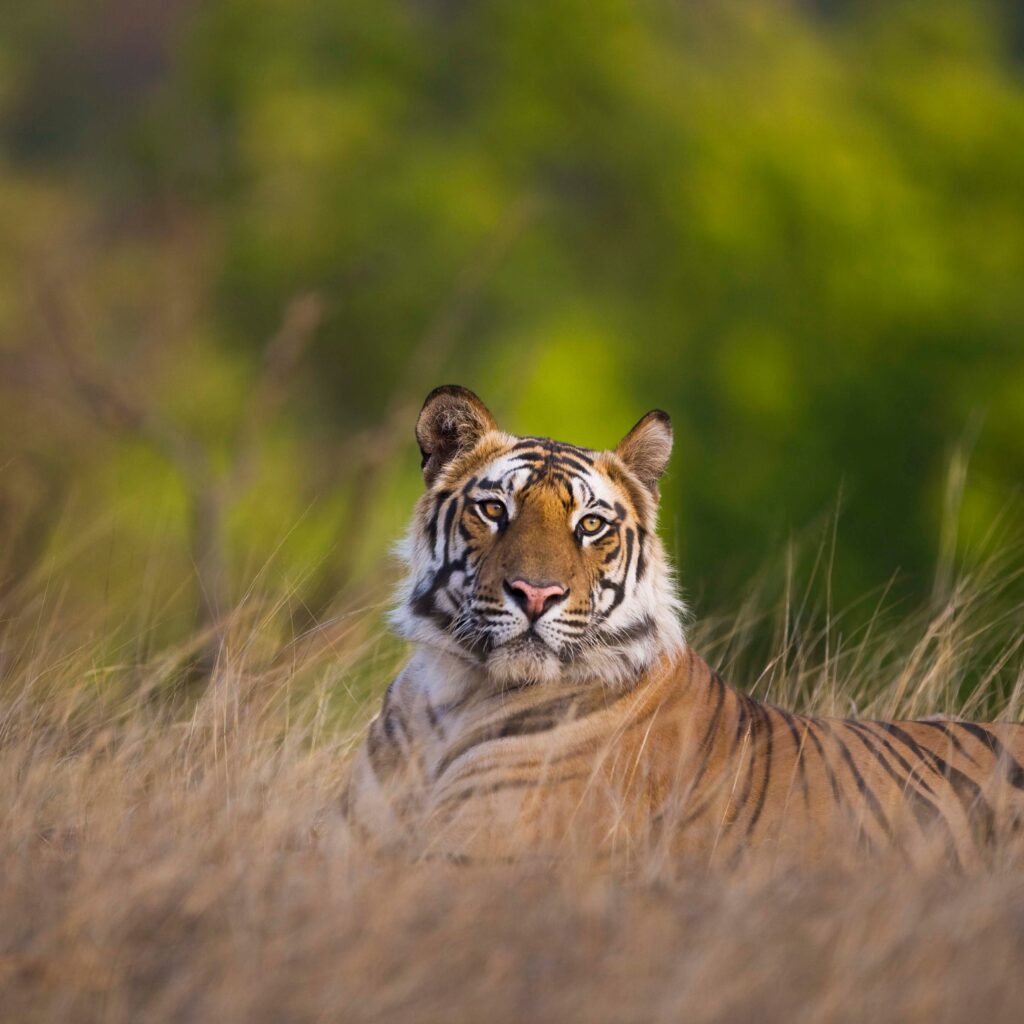
A proper wildlife photography tour is structured — but flexible.
Your day usually starts before sunrise. Vehicles enter the forest quietly, engines low, eyes scanning not just for animals but for signs — pugmarks, alarm calls, disturbed birds. When something happens, it happens fast. Seconds matter.
Good photography tours:
- Limit vehicle occupancy so you can move freely
- Allow longer time at sightings
- Avoid rushing between zones
- Focus on behavior, not just portraits
This is where photography differs from sightseeing.
Best Destinations for Wildlife Photography Tours in India
Each reserve offers something different. Choosing the right one depends on your subject and style.
Bandhavgarh National Park
Known for high tiger density and dramatic forest backdrops. Ideal for action shots, territorial behavior, and close encounters.
Kanha National Park
Wide meadows and clean sightlines make Kanha excellent for composition-focused photography and storytelling frames.
Ranthambore National Park
A favorite for iconic images — tigers against ancient ruins, lakes, and open terrain.
Bharatpur Bird Sanctuary
One of the finest bird photography destinations in Asia, especially during winter migration.
Tigers, Birds, or Both? Choose Your Focus
One mistake many photographers make is trying to photograph everything.
Dedicated wildlife photography tours in India usually specialize:
- Tiger-focused tours → Long lenses, fast shutters, behavioral tracking
- Bird photography tours → Hides, wetlands, patient observation
- Mixed wildlife tours → Storytelling, landscapes, animal interactions
Clarity of focus improves results — and enjoyment.
Gear Matters, But Fieldcraft Matters More
You don’t need the most expensive camera, but you do need discipline.
Most wildlife photographers in India use:
- Telephoto lenses (400mm–600mm)
- Bean bags instead of tripods in jeeps
- Dust protection for gear
- Neutral clothing to reduce reflection
But the real skill lies in:
- Reading light
- Anticipating movement
- Respecting animal space
- Waiting without forcing moments
Ethical Photography Is Non-Negotiable
Responsible wildlife photography tours in India follow strict ethics:
- No baiting or call playback
- No crowding animals
- No off-road driving
- No chasing sightings
The best images come from natural behavior, not interference. Ethical tours protect forests, support local communities, and ensure animals remain wild.
When Is the Best Time for Wildlife Photography in India?
- October to February: Soft light, lush backgrounds, excellent birdlife
- March to May: High tiger activity, dust trails, dramatic action
- June: Intense heat, but unmatched predator visibility
Monsoon months are mostly closed — and rightly so.
Final Thoughts: Photography Is the Outcome, Not the Goal
Wildlife photography tours in India are not about collecting images — they’re about understanding the forest. The best photographs often come when you stop chasing them.
Sit quietly. Watch longer. Learn the rhythm of the jungle.
India doesn’t just offer subjects — it teaches patience.